
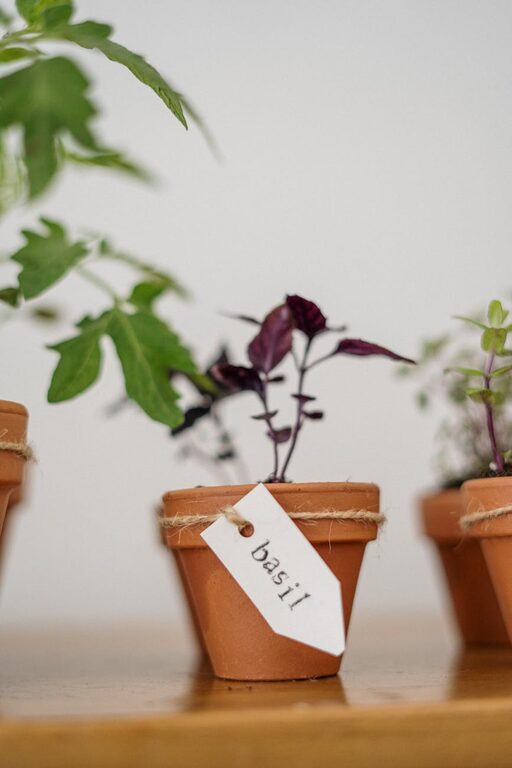
Starting a small herb garden indoors is a rewarding and practical project that brings fresh flavors and greenery into your home. Whether you’re an experienced gardener or a complete beginner, growing herbs inside is simple, space-efficient, and can even brighten your kitchen windowsill.
In this guide, we’ll walk you through everything you need to know to start your own indoor herb garden successfully.
Why Grow Herbs Indoors?
Growing herbs indoors offers several benefits:
– Freshness: Always have fresh herbs like basil, thyme, or mint at your fingertips.
– Convenience: No need to run to the store or worry about seasonal availability.
– Aesthetics: Green plants add a natural element and inviting look to your home.
– Cost-saving: Growing your own herbs can save money over buying small packets repeatedly.
– Therapeutic: Gardening can be a relaxing and enjoyable hobby.
Choosing the Right Herbs
Not all herbs thrive equally well indoors, so selecting the right varieties is important. Here are some popular, easy-to-grow herbs for indoor gardening:
– Basil: Loves bright light, perfect for sunny windows.
– Parsley: Requires moderate light and regular watering.
– Mint: Very hardy, but best kept in a separate pot to avoid spreading.
– Thyme: Prefers a bit less water; tolerates dry soil.
– Chives: Grows well in containers and tolerates partial shade.
– Cilantro: Likes cooler temperatures and consistent moisture.
Choose herbs based on your cooking preferences and the light conditions in your growing area.
Supplies You’ll Need
Before you start, gather the following materials:
– Containers: Pots or planters with drainage holes; size depends on the herb (4-6 inches diameter is common).
– Potting mix: Use a light, well-draining potting soil formulated for indoor plants.
– Seeds or seedlings: Seeds are economical, while seedlings offer a head start.
– Watering can or spray bottle.
– Fertilizer: A balanced, water-soluble fertilizer for herbs (optional).
– Trays or saucers: To catch excess water and protect surfaces.
– Grow lights (optional): If natural light is insufficient.
Step-by-Step Guide to Starting Your Indoor Herb Garden
1. Pick the Perfect Spot
Herbs need plenty of light to thrive—ideally 6 to 8 hours of sunlight daily. A south-facing window is often the best choice. If natural light is limited, consider using grow lights to supplement.
2. Prepare Your Containers
Make sure pots have good drainage to prevent waterlogging. Fill containers with your potting mix, leaving about one inch from the top.
3. Plant the Seeds or Seedlings
– For seeds: Follow the packet instructions for planting depth. Usually, seeds are sown shallowly, then gently covered with soil.
– For seedlings: Dig a small hole and place the seedling carefully, then cover the roots with soil.
Gently water right after planting to settle the soil.
4. Water Properly
Keep the soil consistently moist, but not soggy. Herbs usually prefer slightly drier soil between watering compared to other plants. Check soil moisture by touching the surface; if dry about an inch deep, it’s time to water.
5. Provide Adequate Light
Position your herb garden where it receives enough light. Rotate pots every few days for even growth. When using grow lights, keep them about 6-12 inches above the herbs and run them for 12-16 hours daily.
6. Maintain Temperature and Humidity
Most herbs grow well between 65°F and 75°F. Keep them away from drafts or heating vents. Indoor humidity is usually adequate, but misting occasionally can benefit some herbs.
7. Fertilize Occasionally
Feed herbs with a diluted, balanced fertilizer every 4-6 weeks during the growing season. Avoid over-fertilizing, as it can reduce the flavor intensity.
8. Prune and Harvest Regularly
Trim herbs frequently to encourage bushier growth. Always harvest leaves by pinching or cutting just above a leaf node to promote new shoots. Avoid stripping the plant completely, which can weaken it.
Troubleshooting Common Issues
– Leggy or weak growth: Often caused by insufficient light—move plants to a brighter location or add grow lights.
– Yellowing leaves: Could indicate overwatering or poor drainage.
– Pests: Indoor herbs can attract aphids or spider mites; wipe leaves with a damp cloth or use mild insecticidal soap if necessary.
– Slow growth: May need a fertilizer boost or more consistent watering.
Tips for a Thriving Indoor Herb Garden
– Label your pots so you remember which herb is which.
– Use saucers under pots to catch spills and protect surfaces.
– Try companion planting by growing herbs that complement each other.
– Clean pots and tools to prevent disease spread.
– Experiment with container types, such as hanging pots or window boxes, to suit your space.
Conclusion
Creating a small indoor herb garden is a straightforward and enjoyable way to enhance your cooking and home atmosphere. With the right herbs, proper light, and a little care, anyone can grow fresh, aromatic herbs year-round indoors.
Start small, enjoy the process, and watch your indoor herb garden flourish!
Happy gardening!