
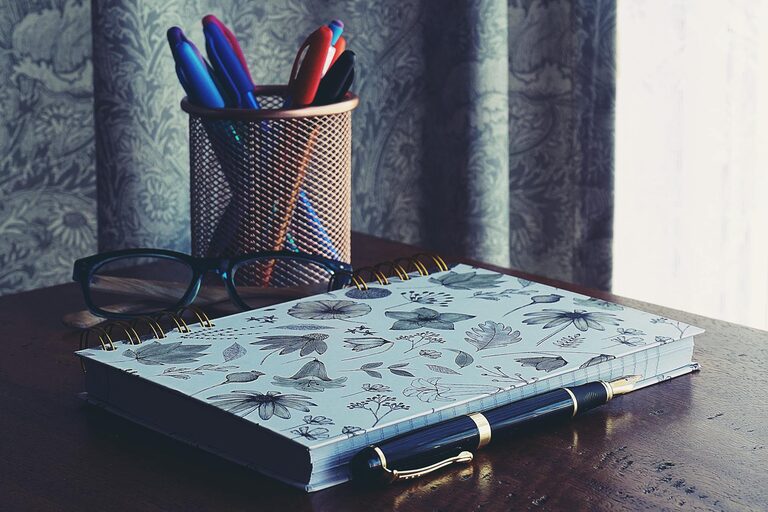
Choosing the right notebook may seem like a small decision, but it can make a big difference in how often and effectively you use it. Whether you want a notebook for jotting down ideas, organizing your schedule, or journaling, the perfect notebook should match your lifestyle and preferences. In this post, we’ll guide you through practical steps to help you choose a notebook you’ll actually use and enjoy.
Understand Your Purpose
Before buying a notebook, it’s essential to understand what you’ll use it for. Different needs require different types of notebooks.
Common Notebook Uses
– Daily planning and to-do lists: A notebook that helps you stay organized.
– Creative writing or journaling: A place to express thoughts and stories.
– Note-taking for work or school: Structured pages to capture key points.
– Sketching or doodling: Blank or dotted pages that allow free drawing.
– Project tracking: Bullet journals or specially formatted notebooks.
Consider your primary use cases. If you’re unsure, look at your current habits — do you write notes during meetings, or do you prefer drawing diagrams? This clarity will guide your choice.
Choose the Right Size
Notebooks come in a variety of sizes, and the best size depends on how and where you’ll use it.
Popular Sizes
– Pocket-sized (around 3.5” x 5.5”): Easy to carry, good for quick notes and on-the-go ideas.
– A5 (5.8” x 8.3”): A versatile, medium size that’s portable yet spacious.
– A4 (8.3” x 11.7”): Ideal for detailed notes and extensive writing, but less portable.
– Custom sizes: Some brands offer unique sizes tailored for specific needs.
Think about where you will use the notebook most — at your desk, on public transport, or in meetings. If portability is a priority, smaller sizes won’t weigh you down. If you want ample space to write or sketch, a larger size might be better.
Decide on the Page Format
The type of pages inside your notebook matters. Page format affects how you’ll organize thoughts and ideas.
Page Types
– Lined (Ruled) pages: Great for writing and keeping text straight.
– Blank pages: Perfect for sketching and freeform creativity.
– Dotted pages: Offer guidance without restricting creativity; popular in bullet journaling.
– Grid (Graph) pages: Helpful for technical drawings, charts, or precise layouts.
– Pre-printed planners: Include calendars and sections to organize tasks.
If you plan to mix drawing and writing, dotted or grid notebooks may offer the best flexibility. For straightforward note-taking, lined pages could be your favorite.
Consider the Binding
How a notebook is bound affects durability and how easy it is to use.
Common Binding Types
– Spiral binding: Allows the notebook to lay flat or fold back on itself. Great for hands-on use.
– Thread-sewn or stitched: More durable and elegant, often found in high-quality journals.
– Glue binding (perfect bound): Usually looks cleaner but may not lay flat.
– Disc-bound: Modular and customizable, allowing for page removal and rearrangement.
If you prefer writing on both sides or need the notebook to stay open, spiral or ring bindings might be better. For professional meetings, a stitched or perfect-bound notebook can look polished.
Think About Paper Quality
Paper quality affects your writing experience and how the notebook holds up.
Important Paper Features
– Weight: Measured in grams per square meter (gsm). Thicker paper (higher gsm) reduces ink bleed-through.
– Texture: Some prefer smooth paper for fast writing, while others like textured papers for better grip.
– Color: White or cream papers change the tone of your writing and visual comfort.
– Acidity: Acid-free paper lasts longer and prevents yellowing.
If you use fountain pens or markers, choose notebooks with thicker, high-quality paper to avoid smudges and bleed-through.
Pick a Design That Inspires You
A notebook should invite you to open its pages. Choosing a design that appeals to your style can encourage consistent use.
Considerations for Design
– Cover material: Hardcover offers durability, softcover is flexible and lightweight, faux leather or fabric covers add texture.
– Color and graphics: Bright or minimalistic colors set different moods.
– Additional features: Elastic closures, pen loops, inner pockets, or numbered pages may increase functionality.
Select a notebook that makes you happy to carry it around and write in it. A notebook that feels personal and attractive can boost motivation.
Test It Before You Commit
If possible, try handling the notebook before purchase.
– Open several notebooks to see if they lay flat comfortably.
– Feel the paper quality.
– Write a few lines with your usual pen or pencil.
– Check if the size suits your handwriting and space preferences.
If you’re buying online, look for brands that provide detailed photos, descriptions, and generous return policies.
Maintain Your New Notebook Habit
Choosing the right notebook is just the start. Here are some tips to help you use it regularly:
– Set small daily writing goals.
– Keep the notebook visible or easily accessible.
– Use it consistently for one purpose at a time.
– Don’t worry about perfection; it’s your personal space.
– Pair it with a favorite pen or pencil to make writing enjoyable.
Final Thoughts
A notebook is more than just paper bound together; it’s a tool for capturing your thoughts, plans, and creativity. By considering your purpose, size preferences, page format, binding, paper quality, and design, you can find a notebook that truly fits your lifestyle. When you choose thoughtfully, you’ll be more likely to carry it with you, write in it often, and enjoy the process.
Happy notebook hunting!